
Grooming and the Older Cat

Grooming and the Older Cat: A Complete Guide
As our feline companions enter their golden years, they face unique grooming challenges that require our attention and assistance. Understanding these changes and knowing how to help can make a significant difference in your senior cat's comfort, health, and quality of life.
Understanding Age-Related Changes in Coat and Skin
Elderly cats typically have greasier, stringier fur along with diminishing grooming habits. This can result in mat formations as well as dandruff and other concerns. These changes aren't just cosmetic—they're often indicators of the natural aging process or underlying health issues that need attention.
As cats age, several factors contribute to declining coat quality:
Arthritis and Mobility Issues: Many senior cats develop arthritis in their spine, hips, shoulders, and other joints, making the twisting and turning motions required for grooming painful or impossible. When your cat can't comfortably reach certain areas of their body, those spots become neglected.
Increased Oil Production: Older cats naturally produce more skin oils, which can cause the coat to look greasy and feel sticky. This excess oil makes fur more prone to matting, even in short-haired breeds. You'll often see this most prominently at the base of the tail and along the back.
Obesity and Reduced Activity: Senior cats tend to be less active and may gain weight, making it physically difficult to reach certain areas during grooming. The combination of decreased flexibility and increased girth creates a perfect storm for poor self-grooming.
Brittle, Damaged Hair: Aging changes the texture of cat hair, making it more prone to breakage and tangling. The combination of brittle hair and increased oils creates stubborn mats that won't resolve on their own.
Rule Out Medical Issues First
Skin and fur changes can be an indication of medical issues, so the first order of business is a regular trip to the vet to ensure no problems with the thyroid (a common cause of stringy fur, particularly in younger cats) or other conditions, including fleas, mites, kidney disease, or diabetes.
Senior cats should have veterinary checkups every six months rather than annually. During these visits, your vet can perform blood work to catch conditions like hyperthyroidism, kidney disease, and diabetes—all of which can affect grooming behavior and coat quality. Cats with these illnesses typically require more frequent grooming to remove dead hair and excess oils before matting occurs.
If health conditions have been ruled out or treated as well as possible in the older cat, then the conversation turns to how best to support their grooming needs as they age.
The Serious Problem of Mats
Mats can be particularly painful and even dangerous, since they bind the fur together at the skin and can pull on the fragile skin, causing large open sores. Senior cats are especially vulnerable because their skin becomes thinner, less elastic, and more prone to bruising and tearing as they age. What might be a minor annoyance for a younger cat can become a serious injury for an elderly feline.
If you feel comfortable tackling the mats yourself, you'll need a home mini-shaver. Look for a shaver that's cordless, quiet, and sized for cats. If you don't feel qualified to keep them calm and shave them, bring them to a professional groomer (look for one that has a dedicated cat room and lots of experience with kitties) or have a mobile groomer come to you (your cat will be calmer at home). Another option is bringing them to the vet for a shave, which is expensive but allows for the application of sedatives as well as wound treatment.
Never use scissors to remove mats—the mats are so close to the fragile skin that even experienced hands can accidentally cut the skin. If you find mats in your cat's fur, try gently loosening them with your fingers or applying a bit of cornstarch and brushing through carefully. If the mat doesn't yield easily, shave carefully or seek professional help.
The best approach is prevention: Brush regularly to try to prevent mats from forming in the first place. The frequency depends on your cat's coat type—long-haired cats benefit from daily brushing, while short-haired seniors typically need brushing once or twice a week. Brushes that work well for mat prevention include slicker brushes, and early mats can sometimes be successfully broken up by a mat rake, but go slowly and gently. Remember, the more often you brush, the easier each session becomes.

Establishing a Gentle Brushing Routine
Brushing an older cat requires patience and a gentle touch:
Choose the Right Location: Brush your cat in a comfortable spot where they feel secure—on a soft mat, their favorite bed, or even wherever they're already resting if you have good lighting.
Use Appropriate Tools: Select soft-bristled brushes for sensitive skin. You may need a combination of tools: this workhorse combo brush has bristles to collect loose fur and a pin brush for detangling (especially for long-haired cats), a slicker brush for deeper detangling, and a wide-toothed metal comb for working through stubborn tangles.
Be Mindful of Sensitive Areas: Areas around the hips, underbelly, and hind legs can be particularly sensitive in arthritic cats. Approach these areas with extra care. If you notice any lumps, bumps, or spots that are painful to touch on your cat's limbs or joints, contact your vet.
Keep Sessions Short and Positive: Start with brief grooming sessions, especially if your cat isn't accustomed to being brushed. Focus on areas your cat enjoys first, gradually increasing the time and expanding to other areas. Offer plenty of praise and treats throughout the process.
Make It a Bonding Experience: Grooming provides an excellent opportunity to check for health issues while strengthening your bond with your cat. During brushing, check for abnormal lumps, skin issues, or parasites.
Managing Toilet Hygiene Issues
Toilet habits can change as cats age, leading to loose stools and bowel movement soiling of the tail and nether regions. This can be unhygienic and unsightly, and if left unaddressed, can lead to skin irritation, infections, and discomfort for your cat.
Prevention and Maintenance:
- Consider having the fur around your cat's rear end trimmed short by a groomer or veterinarian. This "sanitary trim" makes it much easier to keep the area clean and reduces the chance of fecal matter clinging to fur.
- Keep unscented, pet-safe grooming wipes on hand for quick cleanups. Look for wipes specifically designed for cats, as some ingredients in other wipes can be toxic to felines.
- If your cat will tolerate it, you can gently clean the area with a damp, warm washcloth after accidents.
- For cats with chronic soft stool issues, discuss dietary changes with your vet that may help firm up stools and reduce hygiene problems.
When to Bathe: While cats generally don't need regular baths, senior cats with hygiene issues may benefit from occasional bathing. Most senior cats will only need baths when they're visibly dirty or develop an odor. Long-haired cats may need monthly baths, while short-haired seniors typically only need bathing as needed.
If bathing becomes necessary:
- Use lukewarm (not hot) water
- Use only cat-specific shampoos formulated for sensitive or aging skin or try a waterless foam shampoo
- Keep the experience calm by speaking in soothing tones
- Close the bathroom door to prevent escape
- Have towels ready and reward your cat with treats afterward
The Critical Issue of Nail Care
One often-overlooked aspect of senior cat grooming is nail care, but it's critically important. As cats age, their claws undergo significant changes that require regular attention.
Why Senior Cat Claws Are Different:
- Thickness: Senior cat claws grow significantly thicker than younger cats' claws, with a dry, weak, and brittle texture.
- Layering Issues: Cats naturally shed outer nail layers, but older cats often don't groom their paws adequately, leading to thick buildup of unshed nail sheaths that makes claws even thicker.
- Retraction Problems: Nail retraction becomes more difficult with age. When claws don't retract properly, they're more likely to snag on carpet or furniture, leading to painful tearing and broken nails.
- Faster, Uneven Growth: Senior cats' nails may grow at different rates and grow faster than they're being naturally worn down.
The Danger of Neglect: If senior cat claws aren't regularly trimmed, they will curve around and grow into the paw pads—a condition called ingrown nails. This is extremely painful and can lead to:
- Limping and difficulty walking
- Wounds and bleeding in the paw pads
- Serious infections requiring antibiotics
- Long-term damage to the paw pads
- Callusing where the nail makes contact with the pad
How Often to Trim: Check your senior cat's nails every week or two, and trim them approximately every two weeks. If you notice the nails curving toward the pads or hear clicking sounds when your cat walks on hard floors, it's past time for a trim.
Trimming Technique:
- Work in a quiet, well-lit area with your cat on a towel or blanket
- Have an assistant gently hold your cat if possible
- Press gently on the paw pad to extend the nail
- Use pet nail clippers to trim only the sharp tip, creating a blunt edge
- Never cut into the quick (the pink area with blood vessels and nerves)—cutting the quick is extremely painful. Pet nail clippers with an LED light can help you see the quick easily.
- For thick, brittle senior nails, you may need to gently peel away outer nail sheaths in addition to trimming
- Start with just one or two nails per session if your cat is resistant
- Reward with treats after each nail or paw
When to Seek Help: If your cat's nails are already overgrown, curling inward, or if you see signs of ingrown nails (limping, licking paws, blood spots, swelling), take them to a veterinarian immediately. Severely overgrown nails have longer quicks, making home trimming likely to cause bleeding and pain. Your vet may need to sedate your cat, treat any wounds, and safely trim the nails back.
If you're uncomfortable trimming nails yourself, ask your veterinarian or a professional groomer to do it regularly. Don't let nail care fall by the wayside—it's essential for your senior cat's comfort and mobility.
Supporting Skin and Coat Health from the Inside
Good grooming isn't just about what you do externally. Nutrition plays a crucial role in maintaining healthy skin and fur:
Hydration: Senior cats often don't drink enough water, leading to dry skin and a dull coat. Encourage hydration by:
- Offering wet food designed for senior cats
- Using hydration supplements as recommended by your vet
- Providing multiple fresh water sources
- Considering a cat water fountain, which many cats prefer
Nutritional Support: Feed a complete and balanced diet formulated for senior cats. Consider discussing with your vet whether supplements might help:
- Omega-3 and Omega-6 fatty acids support healthy skin and a shiny coat by reducing inflammation
- Biotin (a B-vitamin) supports keratin production, strengthening fur
- Antioxidants like Vitamin E combat oxidative stress affecting skin and coat quality
Environmental Factors: If your home's air is very dry (especially during winter), consider using a humidifier in your cat's favorite rooms to prevent dry, flaky skin.
Dental Care Matters, Too
Don't forget about dental health! Dental disease is common in older cats and can cause pain that makes them reluctant to eat or groom themselves. Senior cats should have their teeth brushed regularly (ideally daily), and professional dental cleanings should be performed as recommended by your veterinarian. If your cat shows signs of dental pain—such as drooling, pawing at the mouth, or reluctance to eat—schedule a dental examination promptly.
Recognizing When Your Cat Needs Help
Watch for these signs that your senior cat is struggling with grooming:
- Matted or tangled fur, especially around the hindquarters, tail base, or behind the ears
- Greasy, stringy appearance to the coat
- Noticeable dandruff or flaky skin
- Fecal matter stuck to fur around the tail and rear
- An unkempt, disheveled appearance
- Increased hairballs from swallowing more loose fur
- Nails clicking on hard floors or snagging on fabrics
- Any signs of discomfort during normal movement
If you notice any of these changes, it's not a sign that your cat is "giving up" or that anything is wrong with your bond. It's simply a normal part of aging that requires your assistance.
The Role of Professional Groomers
Sometimes, despite our best efforts, senior cats need professional grooming help. Professional cat groomers—especially those certified in feline grooming—have specialized training in handling elderly cats safely. They understand:
- How to minimize stress for cats who find grooming uncomfortable
- Techniques for safely removing mats from delicate, thin skin
- How to work around painful joints and mobility limitations
- When to pause and give the cat a break
- How to identify potential health issues that need veterinary attention
Consider professional grooming if:
- Your cat has extensive matting you can't safely remove at home
- Your cat becomes extremely stressed or aggressive during home grooming
- You're uncomfortable handling certain grooming tasks (like nail trimming or bathing)
- Your cat has special needs due to health conditions
Some groomers offer mobile services and will come to your home, which can be less stressful for senior cats than traveling to a salon.
Making Grooming a Positive Experience
The goal isn't just to keep your senior cat clean—it's to make grooming a comfortable, even enjoyable part of their routine:
- Be patient: Senior cats may not tolerate long grooming sessions. Multiple short sessions are better than one lengthy battle.
- Watch body language: If your cat shows signs of stress (ears back, tail lashing, growling), stop and try again later.
- Use positive reinforcement: Treats, gentle praise, and affection help create positive associations with grooming.
- Respect pain: If your cat flinches or pulls away from certain areas, they may be experiencing arthritic pain. Be extra gentle and consider asking your vet about pain management options.
- Maintain routine: Regular, predictable grooming sessions are less stressful than sporadic ones.
When to Contact Your Veterinarian
While many grooming issues can be managed at home, some situations require professional veterinary care:
- Sudden changes in grooming behavior
- Visible skin lesions, sores, or infections
- Persistent scratching or overgrooming
- Bald patches or thinning fur
- Severely matted fur that you cannot safely remove
- Ingrown or overgrown nails
- Signs of pain during grooming
- Any unusual lumps or bumps discovered during grooming
- Foul odors that persist after cleaning
The Bottom Line
Caring for an elderly cat requires adapting to their changing needs. By taking over some of the grooming tasks your cat can no longer manage alone, you're not just keeping them clean—you're providing pain relief, preventing infections, maintaining their dignity, and giving them the gift of comfort in their senior years.
Regular grooming sessions also give you valuable time to bond with your cat and to monitor their overall health. Those quiet moments of gentle brushing and care are opportunities to show your aging companion the love and attention they deserve.
With patience, the right tools, and a gentle approach, you can help your senior cat look and feel their best throughout their golden years. Remember: What your cat loses in self-sufficiency, they gain in the opportunity to receive tender, loving care from you, their devoted human friend.
Whisker & Co Recommends
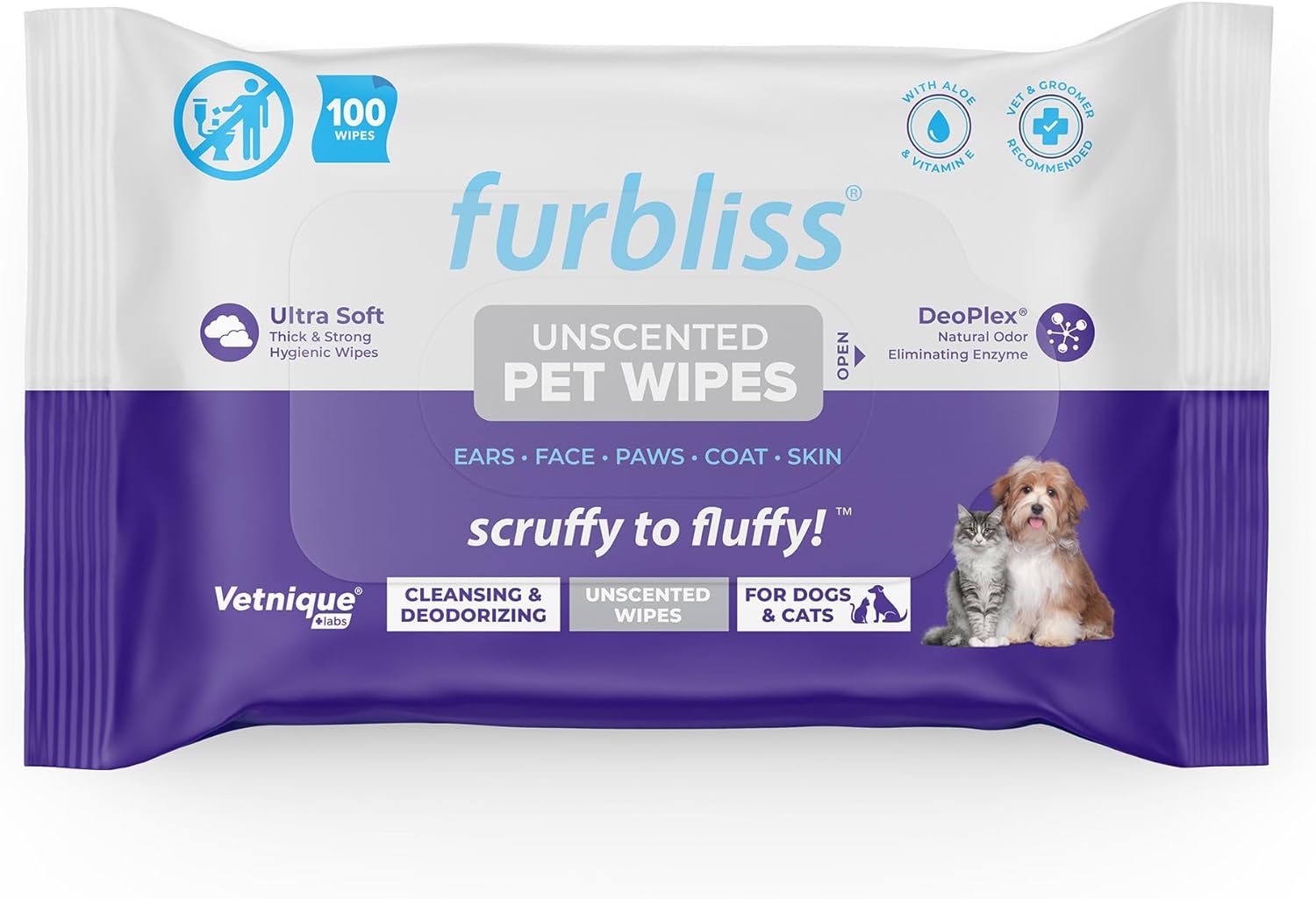
Furbliss Hygienic Pet Wipes – Help an older cat tidy up after a litter box visit.
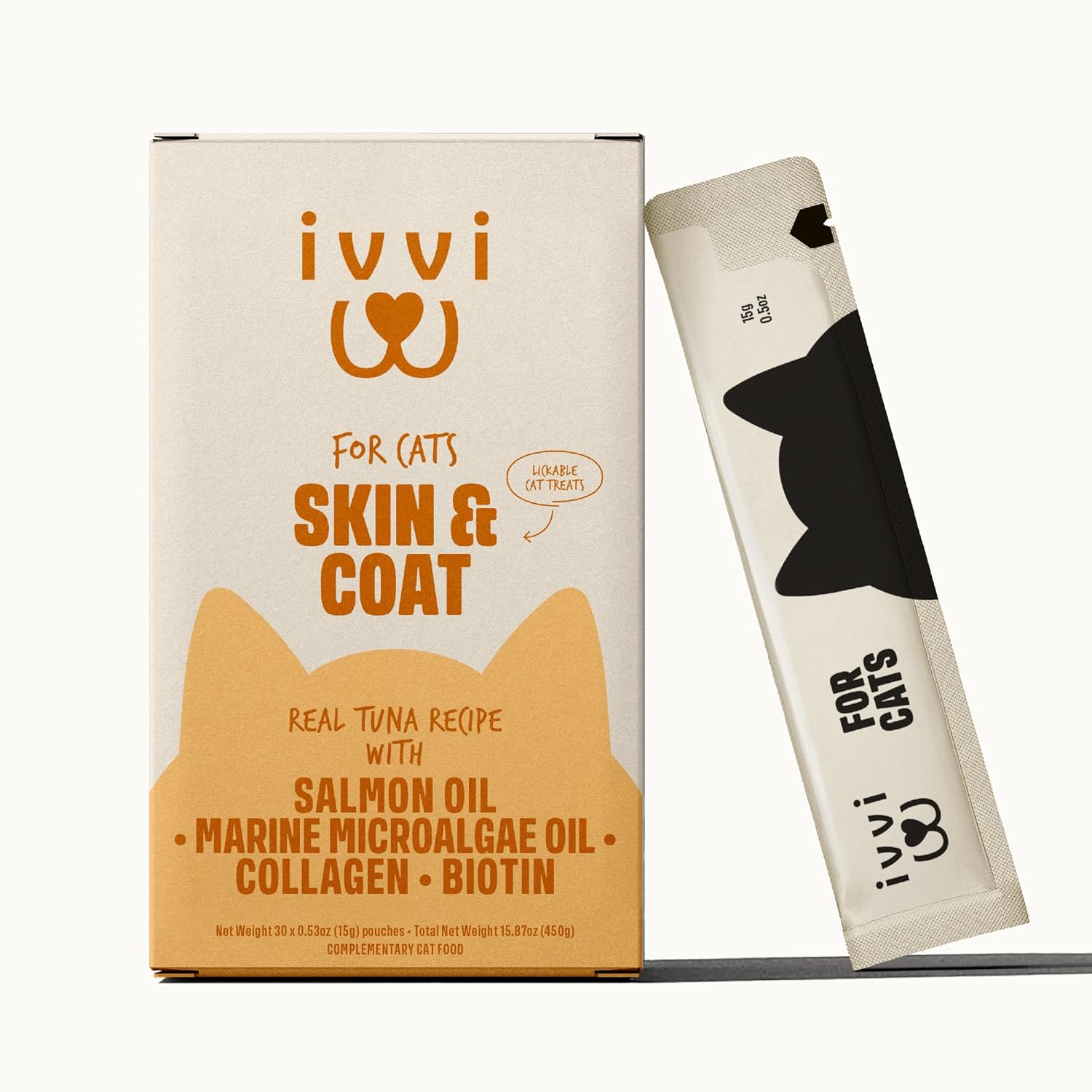
ivvi Skin Coat for Cats – Tasty treat that gives omega oils, antioxidants, and essential nutrients senior cats may be lacking.

Mooncat Waterless Cat Shampoo – Bathe your cat without the bath.

Magic Coat Professional Series Cat Slicker Brush – These bristles gently tease through the beginnings of mats.

Cordless Rechargeable Cat Clippers – Quiet, quick, and safe way to remove matted fur.

PAKEWAY Cat Nail Clipper with LED Light – Never cut the quick with this bright combo clipper.
Disclosure: This post contains affiliate links. As an Amazon Associate, we earn from qualifying purchases
at no additional cost to you. We only recommend products we believe
will benefit you and your feline companions.
Photo by Roman Trifonov on Unsplash


Comments
Post a Comment
Share your thoughts!